Furniture & Decor
The 3 Best Office Chairs of 2026, Tested by SAVEN
If you work at a desk, your chair is the tool you use most, and a good one quietly improves posture, focus, and energy across the whole day. These three picks range from benchmark ergonomic chairs to a budget staple that still gets the basics right.
When we evaluate office chairs, adjustability comes first: seat height, lumbar support, armrests, and tilt should adapt to your body rather than the other way around. We look at how support holds up over long sessions, since a chair that feels fine for twenty minutes can ache by hour six. Materials matter too — mesh promotes airflow, foam seats vary widely in density and durability, and build quality shows in the warranty. We weigh all of that against price to judge real value.
Our Top Picks
- Herman Miller Aeron — Best Overall
- Steelcase Leap — Best Ergonomics
- Branch Ergonomic Chair — Best Value
1. Herman Miller Aeron
Best Overall
SAVEN Score: 4.8 / 5
The Aeron remains the benchmark office chair because its mesh suspension design solves comfort and support in a way padded chairs still chase. The Pellicle mesh distributes weight across the seat and back, flexes where your body needs give, and lets air circulate so long sessions never feel swampy. The PostureFit SL system supports both the sacrum and lumbar region, and the chair comes in three sizes, which we consider essential — a chair that does not fit your frame cannot support it properly. At around $1,400 and up depending on configuration, it is a serious investment, but the build quality and long track record justify it for full-time desk workers.
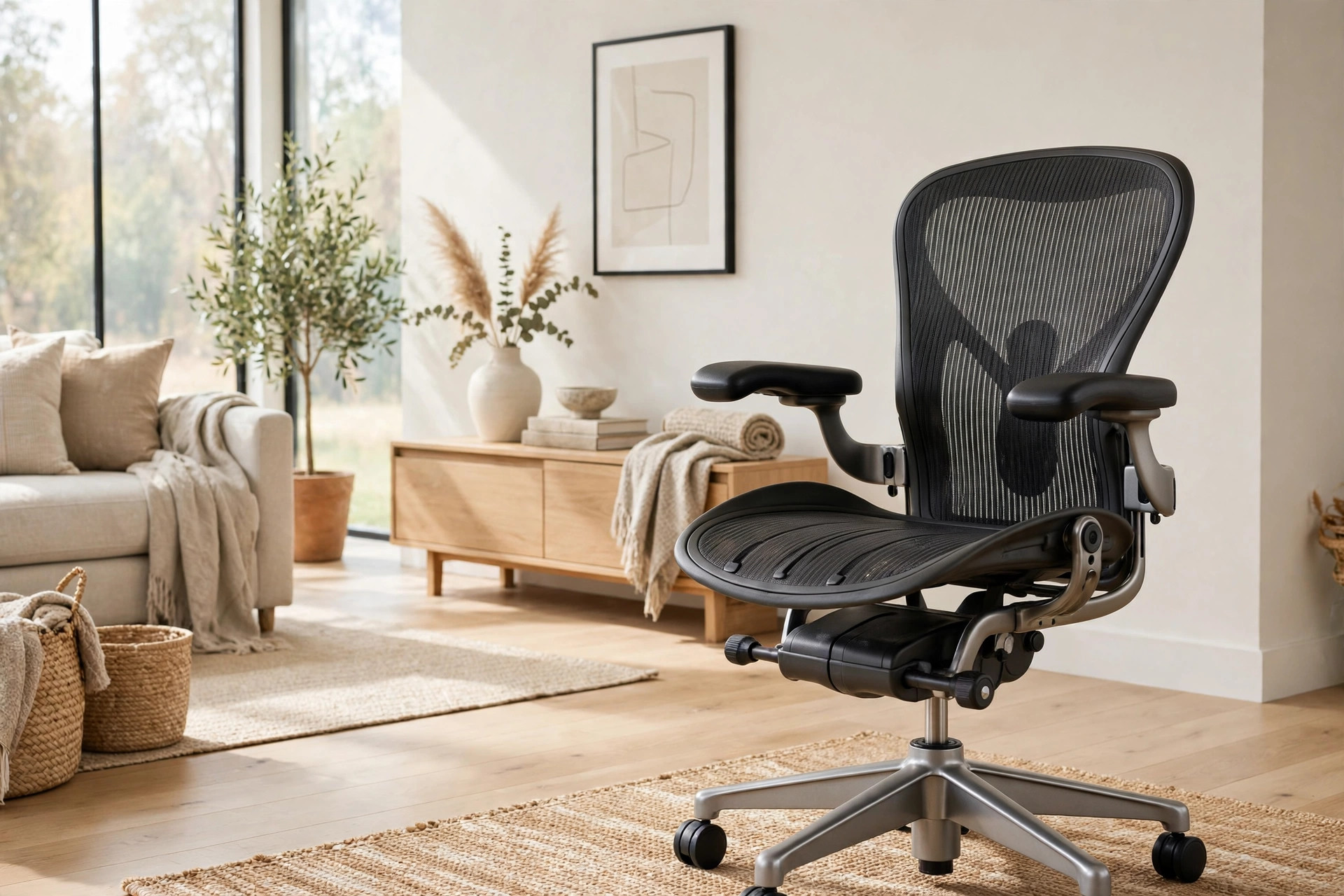
- 8Z Pellicle mesh seat and back
- PostureFit SL adjustable lumbar support
- Available in three sizes (A, B, and C)
What we like
- Breathable, pressure-distributing mesh
- Size options for a proper fit
- Exceptional build quality and longevity
What to consider
- Premium price, especially fully loaded
- Mesh feel is firmer than padded seats
2. Steelcase Leap
Best Ergonomics
SAVEN Score: 4.8 / 5
The Leap is the chair we recommend when ergonomics are the top priority, because its backrest is designed to move the way your spine does. Steelcase's LiveBack technology lets the back flex and change shape as you shift positions, while the separate upper and lower back controls let you tune firmness where you need it. The seat edge flexes too, reducing pressure behind the knees during long sessions. We look for chairs that support movement rather than locking you into one "correct" posture, and the Leap embodies that philosophy better than almost anything else. Its highly adjustable arms complete a package built for all-day, focused work.
- LiveBack flexible backrest technology
- Independent upper and lower back firmness controls
- Flexible seat edge and highly adjustable arms
What we like
- Back support that adapts as you move
- Deep, meaningful adjustability
- Comfortable for very long sessions
What to consider
- Padded seat can feel warm in summer
- Premium pricing, though often below the Aeron
3. Branch Ergonomic Chair
Best Value
SAVEN Score: 4.5 / 5
Branch's Ergonomic Chair, at around $300, delivers the adjustments that actually matter at a price most home offices can justify. You get a breathable mesh back, adjustable lumbar support, seat height and tilt controls, and multiple points of adjustment across the arms and seat — a checklist that many chairs at twice the price still miss. We look for value chairs that do not cut corners on the mechanism, and Branch's smooth tilt and solid frame feel a class above typical budget seating. The foam seat is firmer than premium rivals and the materials are less refined, but as a first serious desk chair, it is the easiest recommendation on this list.
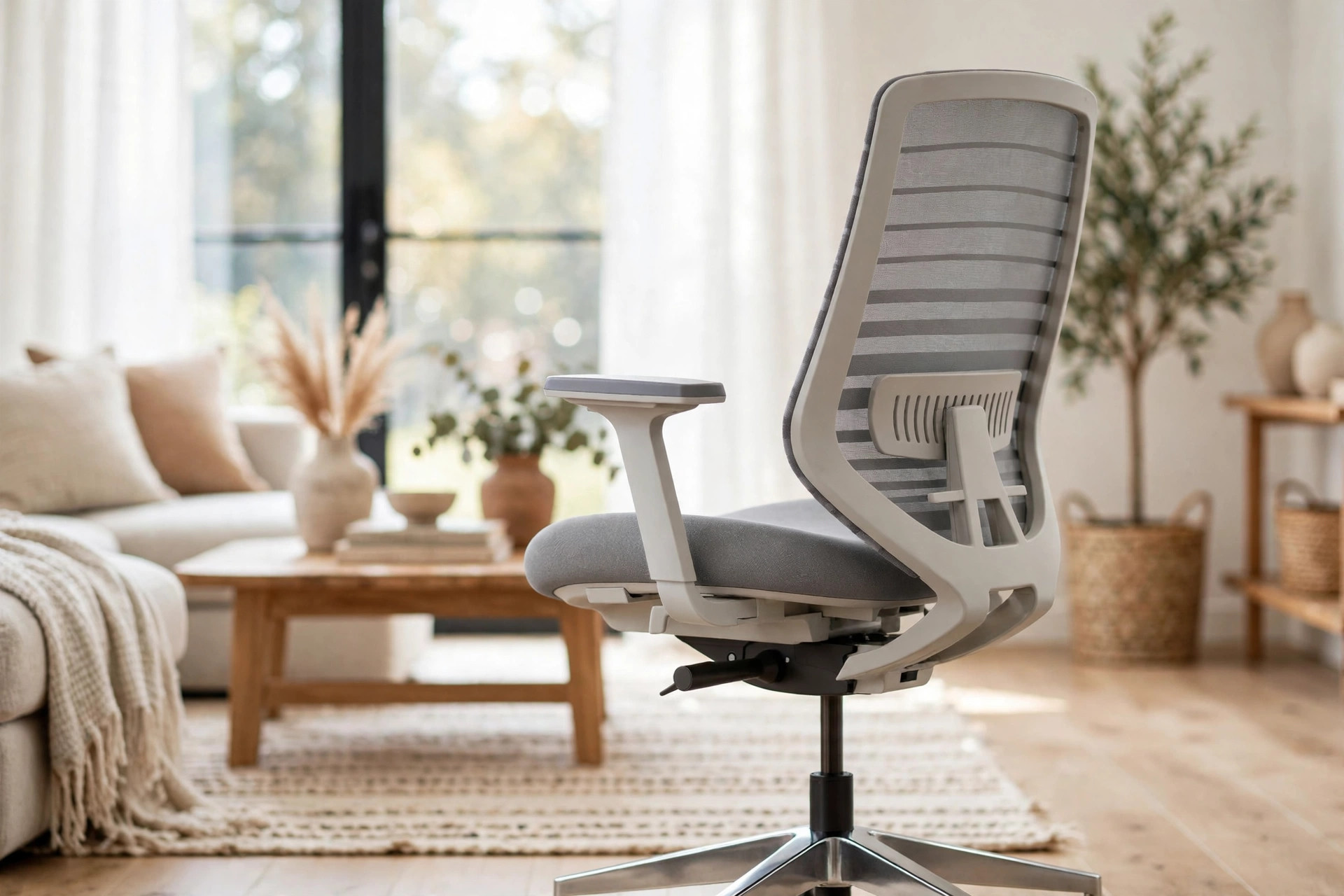
- Double-woven mesh back
- Adjustable lumbar support
- Seven points of adjustment
What we like
- Real ergonomic adjustments at a fair price
- Breathable mesh back
- Sturdy feel for the price class
What to consider
- Seat cushion is on the firmer side
- Finish and materials trail premium brands
What to Look For in an Office Chair
Prioritize the adjustments you will actually use: seat height that lets your feet rest flat, lumbar support that meets the curve of your lower back, armrests that support your elbows without raising your shoulders, and a tilt that lets you shift positions through the day. Seat depth matters more than most people realize — you should be able to fit two or three fingers between the seat edge and the back of your knees. For materials, mesh backs breathe best in warm rooms, while quality foam seats offer more cushioning but vary widely in durability. Check the basics before buying: the chair's height range against your desk height, its weight capacity against your frame, and the warranty length, which is the most honest signal of how long the maker expects the chair to last.
Frequently Asked Questions
How much should you spend on an office chair?
For full-time desk work, the value sweet spot is roughly the $300 to $600 range, where real adjustability and durable mechanisms appear. Premium chairs above that add better materials, sizing options, and decade-long warranties. If you sit only an hour or two a day, a well-chosen budget chair can be perfectly adequate.
Is a mesh or a padded chair better?
Mesh excels at airflow and distributes pressure evenly, but feels firmer and offers less cushion. Padded seats feel softer initially, though low-density foam compresses over time. Warm rooms and long sessions favor mesh; people who prefer a cushioned feel should look for high-density foam and a strong warranty.
What is the correct chair height?
Adjust the seat so your feet rest flat on the floor, your thighs are roughly parallel to the ground, and your elbows sit at about desk height with relaxed shoulders. If your feet dangle, use a footrest rather than perching on the seat edge.